Creating Privacy and Hygiene with Washroom Partitions

In public and commercial spaces, washrooms are essential facilities that must offer more than just functionality—they need to provide privacy, safety, and hygiene to all users. One of the key elements in achieving these goals is the installation and design of washroom partitions. These Washroom Partitions partitions serve as physical barriers that ensure personal space while contributing to the overall cleanliness and maintenance of the restroom environment. In this blog post, we will explore how washroom partitions play a vital role in creating privacy and hygiene, the materials used, design considerations, and best practices to maintain these standards effectively.
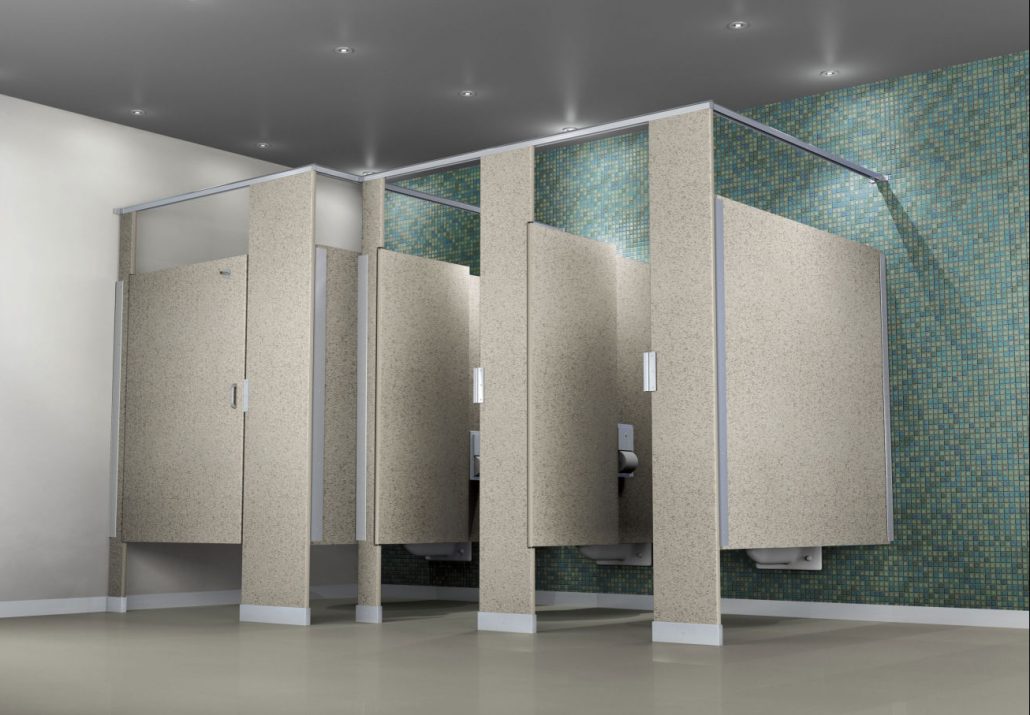
The Importance of Privacy in Washrooms
Privacy is a fundamental human need, especially in places like washrooms where people perform personal activities. Without adequate privacy, users may feel uncomfortable, vulnerable, or exposed, which can lead to reluctance in using public restrooms and overall dissatisfaction with the facility. Washroom partitions create individual stalls that separate each user from others, ensuring personal space is respected.
Effective privacy involves more than just physical separation. It includes considerations such as the height of the partitions, the gap size between doors and walls, soundproofing, and the positioning of fixtures within the stall. High-quality partitions reduce the visibility and audibility of activities, which is crucial in busy public areas.
Enhancing Hygiene Through Partition Design
Beyond privacy, hygiene is paramount in maintaining a safe and pleasant restroom experience. Washroom partitions contribute to hygiene in several ways:
Easy-to-Clean Surfaces
Partitions made from non-porous, durable materials like phenolic resin, solid plastic (HDPE), or stainless steel are resistant to moisture, stains, and microbial growth. These materials allow for quick and thorough cleaning, reducing the risk of bacteria and mold buildup. Choosing the right surface material ensures that partitions do not harbor germs and can withstand frequent sanitation.
Durability and Resistance to Vandalism
Public restrooms often face heavy use and occasional misuse. Sturdy partitions reduce damage and the resulting hygiene hazards. Materials such as stainless steel and solid phenolic resist scratches, dents, and corrosion, minimizing areas where dirt and bacteria can accumulate.
Minimizing Contact Points
Designing partitions with smooth edges and minimal hardware can reduce the number of touchpoints where germs might spread. Some modern partitions feature touchless or easy-to-clean locking mechanisms, contributing further to hygiene.
Common Materials Used for Washroom Partitions
Selecting the right material for washroom partitions impacts both privacy and hygiene. Here are some common materials and their benefits:
Solid Plastic (HDPE)
High-Density Polyethylene is a popular choice for washroom partitions due to its durability, resistance to moisture, and ease of cleaning. It is non-porous and does not support bacterial growth, making it hygienic. HDPE partitions also resist graffiti and scratches and come in various colors to complement interior designs.
Phenolic Resin
Phenolic resin partitions consist of layers of kraft paper impregnated with resin and bonded under heat and pressure. These partitions are highly durable, waterproof, and resistant to chemicals and impacts. Their non-porous nature ensures they are hygienic and easy to clean, making them ideal for high-traffic areas.
Stainless Steel
Stainless steel partitions provide excellent durability and a sleek, modern look. They resist rust, corrosion, and vandalism, which helps maintain hygiene over time. Although more expensive, they are an excellent choice for upscale facilities or environments where aesthetics and longevity are priorities.
Powder-Coated Metal
Metal partitions with a powder-coated finish offer a balance between durability and cost. The coating protects against rust and corrosion and allows for various colors. However, metal partitions can be prone to dents and scratches, which may require maintenance.
Laminate
Laminate partitions are cost-effective and available in many colors and patterns. However, they are less resistant to moisture and impact, making them more susceptible to damage and microbial growth over time. They are better suited for low-traffic or private restrooms.
Design Considerations for Privacy and Hygiene
When installing or upgrading washroom partitions, several design factors should be considered to optimize privacy and hygiene:
Partition Height and Coverage
The height of partitions plays a major role in user privacy. Full-height partitions from floor to ceiling offer maximum privacy and noise reduction but can be costly and complicate ventilation. Standard partitions typically extend from about 12 inches above the floor to 60-72 inches in height. Minimizing gaps between doors and walls prevents visibility and reduces sound leakage.
Floor Clearance
While a small gap at the bottom allows for easy cleaning and ventilation, too large a clearance compromises privacy. A balance must be struck between maintenance practicality and user comfort.
Ventilation and Lighting
Good ventilation reduces odors and moisture buildup, which helps maintain hygiene. Partition design should complement airflow and lighting to create a clean and comfortable environment.
Hardware and Accessories
Choosing hygienic, easy-to-maintain hardware is essential. Stainless steel hinges, locks, and brackets resist corrosion and vandalism. Consider touchless or sanitary lock designs to reduce contamination.
Color and Finish
Colors and finishes can influence perceptions of cleanliness. Lighter colors often show dirt more readily but can make the space feel brighter. Darker or patterned finishes can hide stains but might feel less open. Non-glossy finishes minimize glare and fingerprint visibility.
Maintenance Best Practices
To ensure that washroom partitions continue to provide privacy and hygiene, regular maintenance is crucial:
Routine Cleaning
Frequent cleaning with appropriate disinfectants prevents germ buildup. Use non-abrasive cleaners to avoid damaging surfaces. Pay special attention to edges, corners, and hardware.
Inspections and Repairs
Regularly check partitions for damage such as cracks, dents, or loose hardware. Prompt repairs prevent safety hazards and maintain privacy integrity.
Vandalism Prevention
Installing durable materials and secure hardware reduces vandalism. In areas prone to misuse, consider coatings that resist graffiti and easy-clean surfaces.
User Education
Signage encouraging users to respect restroom facilities and maintain cleanliness can support hygiene goals.
The Future of Washroom Partitions: Innovations in Privacy and Hygiene
Technology and design trends are driving innovation in washroom partitions, with new materials and features emerging to enhance user experience:
-
Antimicrobial Coatings: Some partitions now feature coatings that actively reduce bacterial growth, offering an additional layer of hygiene.
-
Smart Partitions: Incorporating sensors and touchless mechanisms for doors and locks improves sanitation and user convenience.
-
Sustainable Materials: Eco-friendly materials such as recycled plastics and renewable composites meet environmental goals without sacrificing durability or hygiene.
-
Modular Systems: Flexible, easy-to-install partition systems allow for quick reconfiguration and maintenance.
Conclusion
Washroom partitions are more than mere dividers—they are vital components that safeguard privacy and hygiene in public and commercial restrooms. Selecting the right materials, designing thoughtfully, and maintaining rigorously ensure that washrooms remain safe, clean, and comfortable spaces for all users. Whether renovating an existing facility or planning a new build, investing in high-quality partitions pays dividends in user satisfaction and overall facility reputation. In the ongoing effort to promote public health and dignity, washroom partitions stand as silent yet powerful guardians of privacy and hygiene.
In public and commercial spaces, washrooms are essential facilities that must offer more than just functionality—they need to provide privacy, safety, and hygiene to all users. One of the key elements in achieving these goals is the installation and design of washroom partitions. These Washroom Partitions partitions serve as physical barriers that ensure personal space while contributing to the overall cleanliness and maintenance of the restroom environment. In this blog post, we will explore how washroom partitions play a vital role in creating privacy and hygiene, the materials used, design considerations, and best practices to maintain these standards effectively. The Importance of Privacy in Washrooms Privacy is a fundamental human need, especially in places like washrooms where people perform personal activities. Without adequate privacy, users may feel uncomfortable, vulnerable, or exposed, which can lead to reluctance in using public restrooms and overall dissatisfaction with the facility. Washroom partitions create individual stalls that separate each user from others, ensuring personal space is respected. Effective privacy involves more than just physical separation. It includes considerations such as the height of the partitions, the gap size between doors and walls, soundproofing, and the positioning of fixtures within the stall. High-quality partitions reduce the visibility and audibility of activities, which is crucial in busy public areas. Enhancing Hygiene Through Partition Design Beyond privacy, hygiene is paramount in maintaining a safe and pleasant restroom experience. Washroom partitions contribute to hygiene in several ways: Easy-to-Clean Surfaces Partitions made from non-porous, durable materials like phenolic resin, solid plastic (HDPE), or stainless steel are resistant to moisture, stains, and microbial growth. These materials allow for quick and thorough cleaning, reducing the risk of bacteria and mold buildup. Choosing the right surface material ensures that partitions do not harbor germs and can withstand frequent sanitation. Durability and Resistance to Vandalism Public restrooms often face heavy use and occasional misuse. Sturdy partitions reduce damage and the resulting hygiene hazards. Materials such as stainless steel and solid phenolic resist scratches, dents, and corrosion, minimizing areas where dirt and bacteria can accumulate. Minimizing Contact Points Designing partitions with smooth edges and minimal hardware can reduce the number of touchpoints where germs might spread. Some modern partitions feature touchless or easy-to-clean locking mechanisms, contributing further to hygiene. Common Materials Used for Washroom Partitions Selecting the right material for washroom partitions impacts both privacy and hygiene. Here are some common materials and their benefits: Solid Plastic (HDPE) High-Density Polyethylene is a popular choice for washroom partitions due to its durability, resistance to moisture, and ease of cleaning. It is non-porous and does not support bacterial growth, making it hygienic. HDPE partitions also resist graffiti and scratches and come in various colors to complement interior designs. Phenolic Resin Phenolic resin partitions consist of layers of kraft paper impregnated with resin and bonded under heat and pressure. These partitions are highly durable, waterproof, and resistant to chemicals and impacts. Their non-porous nature ensures they are hygienic and easy to clean, making them ideal for high-traffic areas. Stainless Steel Stainless steel partitions provide excellent durability and a sleek, modern look. They resist rust, corrosion, and vandalism, which helps maintain hygiene over time. Although more expensive, they are an excellent choice for upscale facilities or environments where aesthetics and longevity are priorities. Powder-Coated Metal Metal partitions with a powder-coated finish offer a balance between durability and cost. The coating protects against rust and corrosion and allows for various colors. However, metal partitions can be prone to dents and scratches, which may require maintenance. Laminate Laminate partitions are cost-effective and available in many colors and patterns. However, they are less resistant to moisture and impact, making them more susceptible to damage and microbial growth over time. They are better suited for low-traffic or private restrooms. Design Considerations for Privacy and Hygiene When installing or upgrading washroom partitions, several design factors should be considered to optimize privacy and hygiene: Partition Height and Coverage The height of partitions plays a major role in user privacy. Full-height partitions from floor to ceiling offer maximum privacy and noise reduction but can be costly and complicate ventilation. Standard partitions typically extend from about 12 inches above the floor to 60-72 inches in height. Minimizing gaps between doors and walls prevents visibility and reduces sound leakage. Floor Clearance While a small gap at the bottom allows for easy cleaning and ventilation, too large a clearance compromises privacy. A balance must be struck between maintenance practicality and user comfort. Ventilation and Lighting Good ventilation reduces odors and moisture buildup, which helps maintain hygiene. Partition design should complement airflow and lighting to create a clean and comfortable environment. Hardware and Accessories Choosing hygienic, easy-to-maintain hardware is essential. Stainless steel hinges, locks, and brackets resist corrosion and vandalism. Consider touchless or sanitary lock designs to reduce contamination. Color and Finish Colors and finishes can influence perceptions of cleanliness. Lighter colors often show dirt more readily but can make the space feel brighter. Darker or patterned finishes can hide stains but might feel less open. Non-glossy finishes minimize glare and fingerprint visibility. Maintenance Best Practices To ensure that washroom partitions continue to provide privacy and hygiene, regular maintenance is crucial: Routine Cleaning Frequent cleaning with appropriate disinfectants prevents germ buildup. Use non-abrasive cleaners to avoid damaging surfaces. Pay special attention to edges, corners, and hardware. Inspections and Repairs Regularly check partitions for damage such as cracks, dents, or loose hardware. Prompt repairs prevent safety hazards and maintain privacy integrity. Vandalism Prevention Installing durable materials and secure hardware reduces vandalism. In areas prone to misuse, consider coatings that resist graffiti and easy-clean surfaces. User Education Signage encouraging users to respect restroom facilities and maintain cleanliness can support hygiene goals. The Future of Washroom Partitions: Innovations in Privacy and Hygiene Technology and design trends are driving innovation in washroom partitions, with new materials and features emerging to enhance user experience: Antimicrobial Coatings: Some partitions now feature coatings that actively reduce bacterial growth, offering an additional layer of hygiene. Smart Partitions: Incorporating sensors and touchless mechanisms for doors and locks improves sanitation and user convenience. Sustainable Materials: Eco-friendly materials such as recycled plastics and renewable composites meet environmental goals without sacrificing durability or hygiene. Modular Systems: Flexible, easy-to-install partition systems allow for quick reconfiguration and maintenance. Conclusion Washroom partitions are more than mere dividers—they are vital components that safeguard privacy and hygiene in public and commercial restrooms. Selecting the right materials, designing thoughtfully, and maintaining rigorously ensure that washrooms remain safe, clean, and comfortable spaces for all users. Whether renovating an existing facility or planning a new build, investing in high-quality partitions pays dividends in user satisfaction and overall facility reputation. In the ongoing effort to promote public health and dignity, washroom partitions stand as silent yet powerful guardians of privacy and hygiene.